
Sciatica Care in Essendon
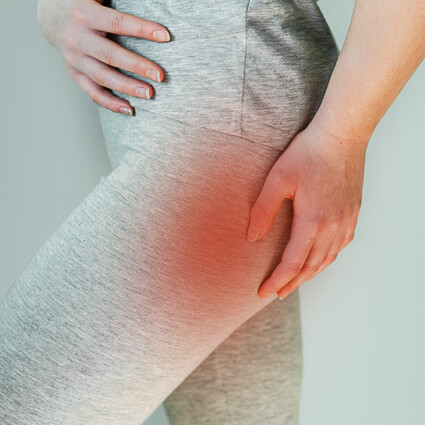 Sciatica is a type of pain linked to irritation of the sciatic nerve, which travels from the lower back through the hips and down each leg. It often feels different from general back pain. Instead of staying in one spot, symptoms may spread into the buttock, thigh, calf, or foot.
Sciatica can be disruptive. Sitting, walking, bending, or sleeping may feel uncomfortable, and it can be hard to know whether you are dealing with “just back pain” or something else. At Inline Health Chiropractic, care takes a personalised, whole body approach that considers the spine, joints, muscles, and nervous system together. With appropriate care and guidance, sciatica can often be managed and many people regain confidence in daily movement.
What Causes Sciatica?
Sciatica is usually linked to irritation, pressure, or sensitivity along the nerve pathway. Common contributors include:
- Disc bulges or herniations
- Nerve irritation or compression
- Prolonged sitting or poor posture
- Muscle tension affecting nerve pathways
- Injury or sudden strain
- Degenerative changes in the spine
How Sciatica Is Assessed
Assessment starts with understanding how your symptoms began and how they behave day to day. Your practitioner will review your history, then assess posture, movement, and signs of nerve involvement. Spinal, joint, and muscle function are also checked to identify contributing factors. Imaging may be recommended when clinically appropriate and when it may help clarify the cause.
Common Sciatica Symptoms
Sciatica can present differently from person to person. You may notice:
- Pain radiating from the lower back into the hip or leg
- Burning, shooting, or electric-like sensations
- Tingling or numbness in the leg or foot
- Weakness in the affected leg
- Symptoms that feel worse with sitting or certain movements
How Inline Health Chiropractic Supports Sciatica Care
Supportive care aims to reduce nerve irritation where possible, improve spinal and joint movement, and address muscle tension and movement patterns that may be contributing. Addressing nerve-related symptoms sooner may help reduce sensitivity and support easier movement while you work on habits and exercises that suit your situation. Your plan may also include guidance to support strength, stability, mobility, and daily activity choices, based on what feels realistic for you.
Frequently Asked Questions
Can sciatica improve without surgery?
Book an Assessment
If pain, tingling, or numbness is travelling down your leg, schedule an assessment with us to discuss your options and next steps.
